
Governor Eno to Empower 110,000 Women Through Cooperatives in Akwa Ibom


Akwa Ibom State Governor, Pastor Umo Eno, has announced plans to empower 110,000 women across the state through cooperative societies as part of his administration’s efforts to promote economic inclusion and strengthen household livelihoods.
Governor Eno made the announcement during an event marking the launch of the Federal Government’s rural women empowerment initiative and the distribution of Liquefied Petroleum Gas (LPG) cylinders to beneficiaries in Akwa Ibom.
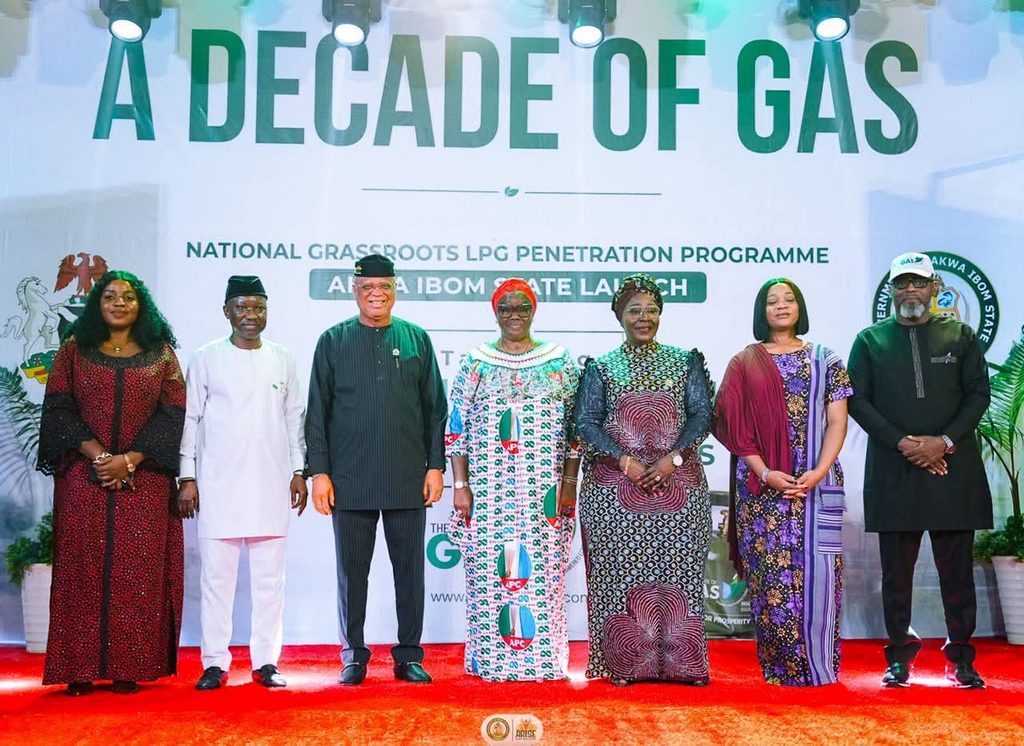
The governor said at least 300 women would be selected from each ward across the state to participate in the planned empowerment programme, which is expected to commence in October 2026.
According to Eno, the initiative will complement existing efforts by the Federal Government to provide financial support to women seeking to establish or expand businesses.
Eno Highlights Importance of Women Empowerment
The governor described women empowerment as a major component of his administration’s ARISE Agenda, stressing that supporting women has wider benefits for families and communities.
He said women have the ability to multiply the resources entrusted to them, making investments in their economic activities capable of producing benefits beyond individual beneficiaries.
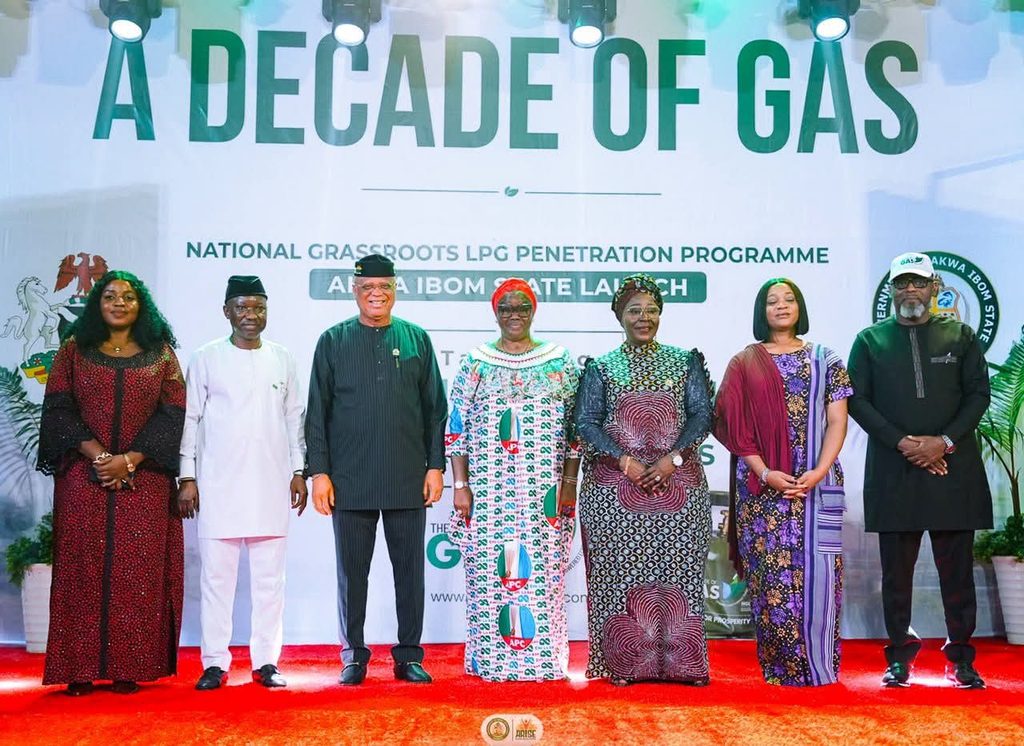
Eno explained that the planned cooperative-based programme would provide an organised platform through which women could access support and participate in economic activities.
The initiative is expected to target women across communities rather than concentrating assistance in a few locations.
27,000 Households Targeted for LPG Support
Governor Eno also commended the Federal Government and the Minister of State for Petroleum Resources (Gas), Obongemem Ekperikpe Ekpo, for bringing the LPG distribution programme to Akwa Ibom.
The programme is targeting 27,000 households in the state with LPG cylinders as part of efforts to encourage cleaner cooking practices.
Eno described the intervention as more than the distribution of cooking gas equipment, saying it could contribute to improved household welfare, environmental protection and economic opportunities.
According to the governor, access to cleaner cooking fuel could help reduce the health and environmental risks associated with traditional cooking methods, particularly for women and children who are often more exposed to household cooking environments.
Governor Seeks Investment in Gas Sector
The governor described gas as an important resource for industrialisation, job creation and small and medium-sized enterprise development.
He said Akwa Ibom’s position as a major gas-producing state provides opportunities for investment across the gas value chain.
Eno invited investors to explore opportunities in areas including LPG plants, cylinder manufacturing and maintenance, gas storage, transportation and logistics, clean cooking solutions, gas processing, petrochemicals, gas-based manufacturing and other energy infrastructure.
The governor assured potential investors that his administration would continue to provide an enabling environment through transparent governance, infrastructure development and collaboration with the private sector.
He said the state was open to businesses seeking opportunities within the growing gas and energy sector.
Federal Government Highlights Women’s Role
Earlier, the Minister of State for Petroleum Resources (Gas), Obongemem Ekperikpe Ekpo, commended Governor Eno for what he described as impactful leadership in Akwa Ibom.
Ekpo said the event represented the launch of two major Federal Government interventions in the state: the rural women empowerment initiative focused on entrepreneurship development and the distribution of LPG cylinders under the Decade of Gas National Grassroots LPG Penetration Programme.
The minister said the programmes were designed to promote women’s economic participation, safety and wellbeing in line with the Federal Government’s Renewed Hope Initiative.
He also emphasised the connection between women’s empowerment and access to clean cooking energy.
According to Ekpo, empowering women and improving access to cleaner cooking solutions can generate benefits for households, businesses and communities.
Focus on Economic Inclusion
The initiatives come amid continuing efforts by governments at both the federal and state levels to improve economic opportunities for households.
For women participating in the cooperative programme, the proposed October rollout could provide access to resources that may help them strengthen existing businesses or establish new income-generating ventures.
The LPG programme, meanwhile, is expected to support households targeted under the Federal Government’s clean cooking initiative.
The success of both programmes will depend on effective beneficiary selection, transparent distribution, proper monitoring and sustained support after the initial intervention.
Governor Eno said his administration would continue to pursue programmes designed to create sustainable livelihoods and expand economic opportunities for residents.
The governor also called for continued support for President Bola Ahmed Tinubu, Senate President Godswill Akpabio and their administrations ahead of the 2027 elections.
The event was attended by the Deputy Governor of Akwa Ibom State, Senator Akon Eyakenyi; Deputy Speaker of the State House of Assembly, Rt. Hon. Kufre Edidem; Secretary to the State Government, Prince Enobong Uwah; government officials, legislators, local government chairmen and other stakeholders.
With the planned empowerment of 110,000 women and the targeting of 27,000 households under the LPG programme, the state government and Federal Government are positioning women’s economic participation and cleaner household energy as key components of their development agenda in Akwa Ibom.
This report is based on statements provided by the Akwa Ibom State Government and Federal Government officials at the event. Details of the empowerment programme, including beneficiary selection and implementation arrangements, may be further clarified by the relevant authorities.