Uniuyo Town Hall Meetings Continue at Annex, College of Medical Sciences Campuses
Thomas Thomas
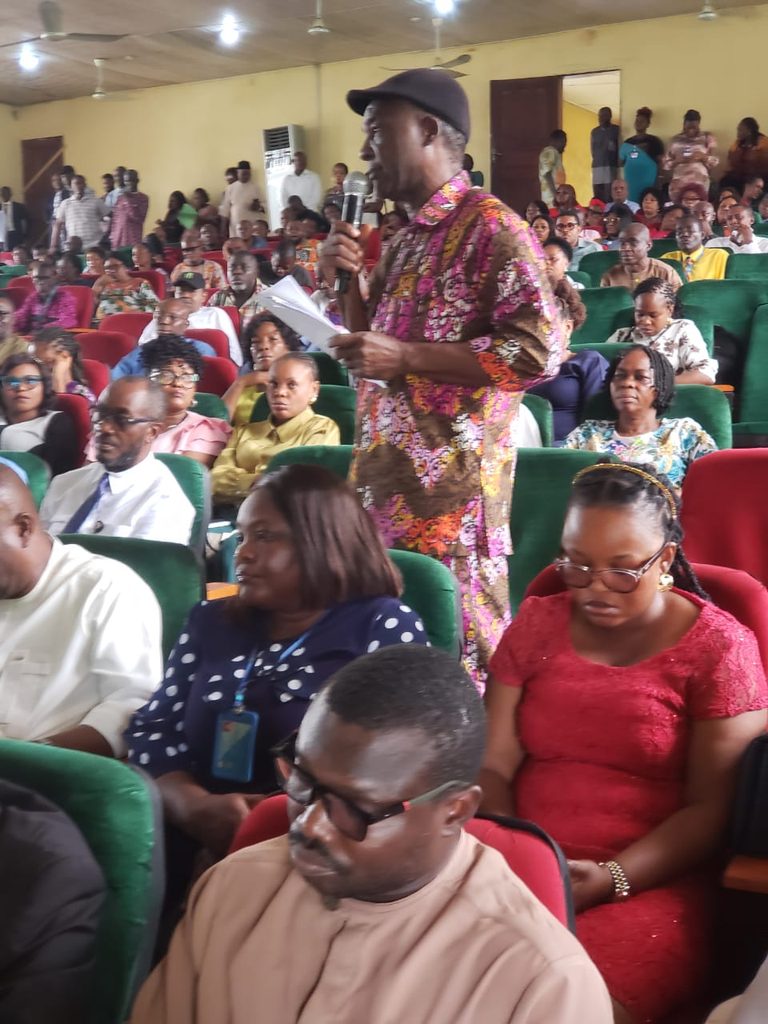
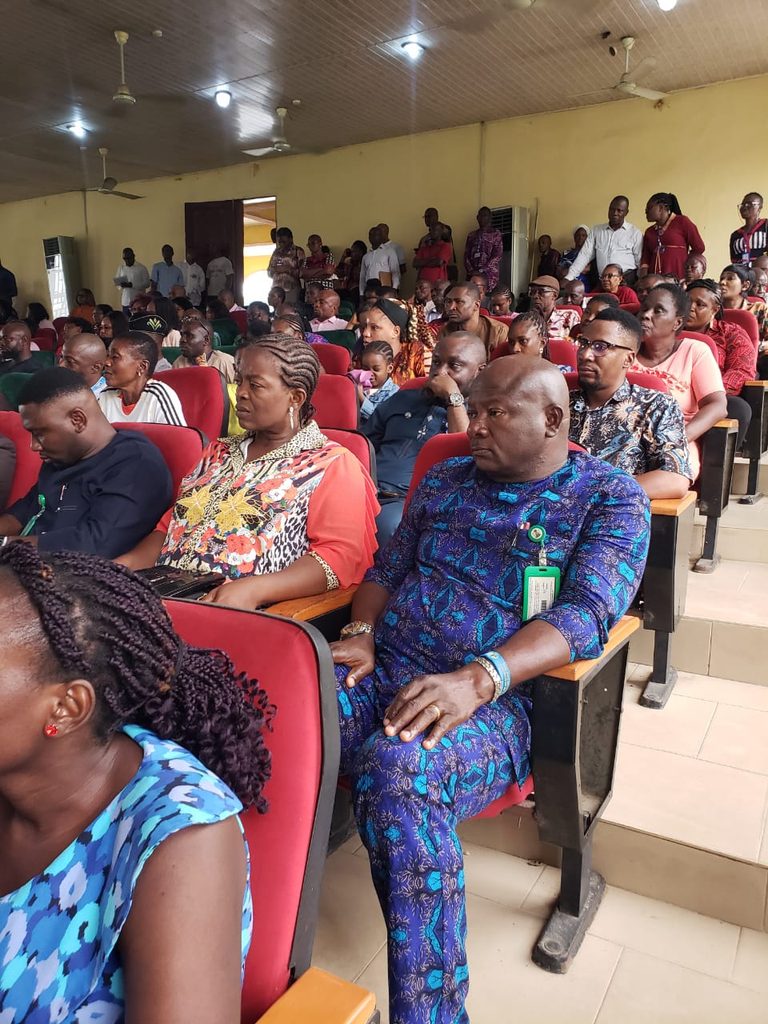
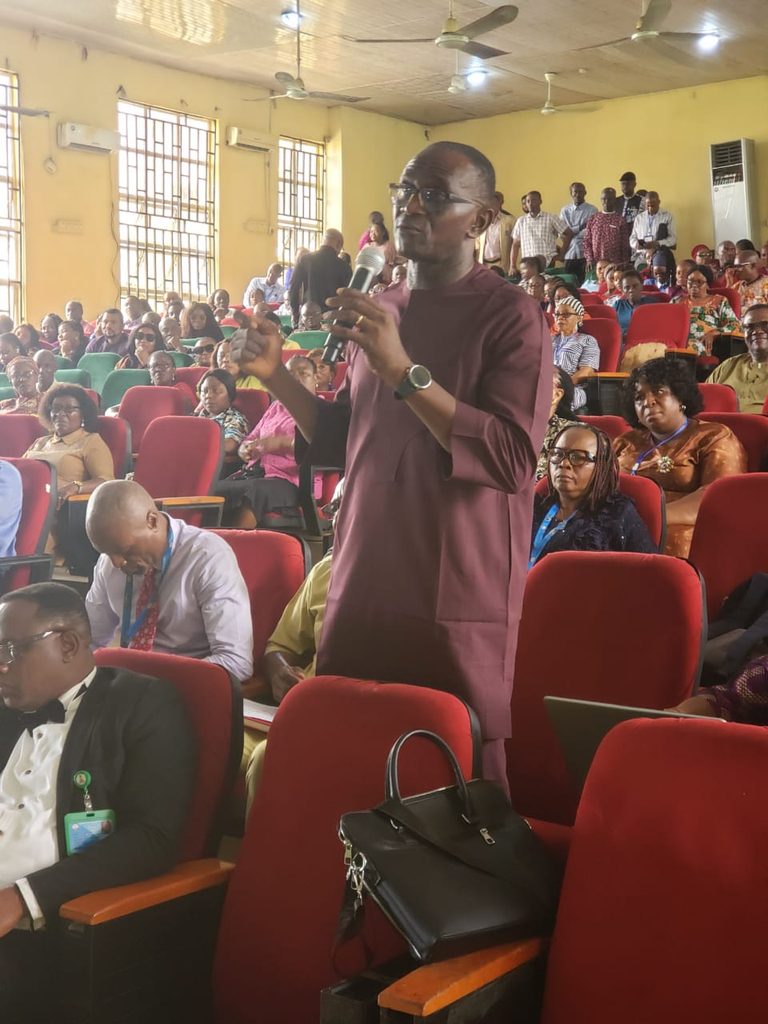
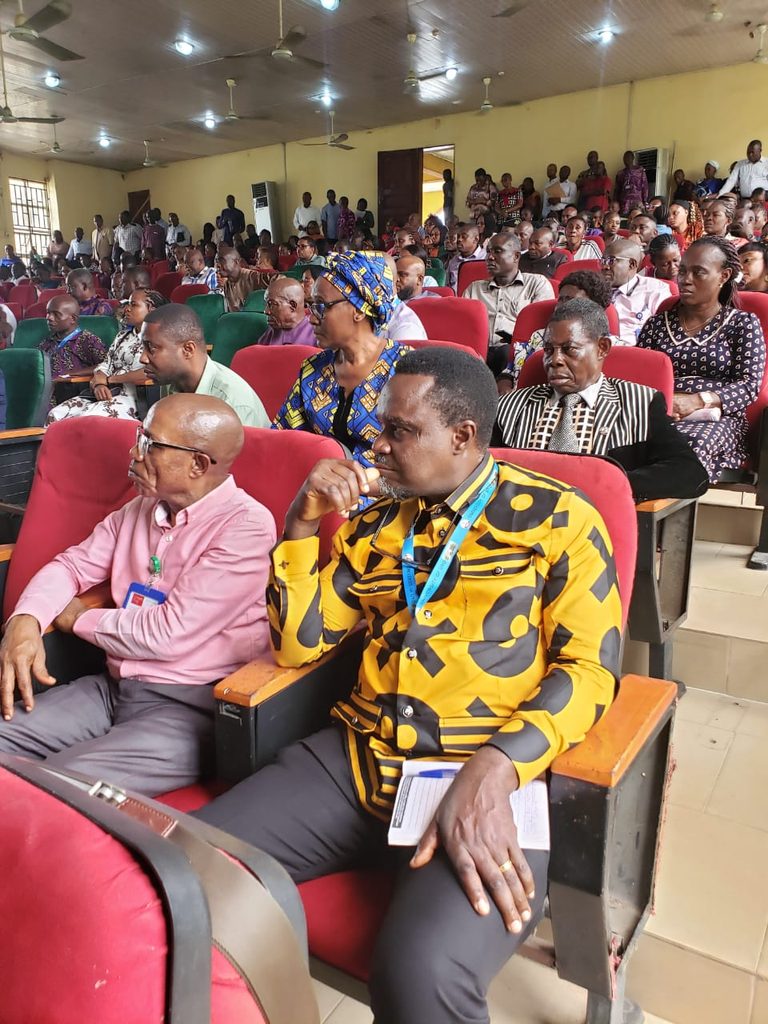
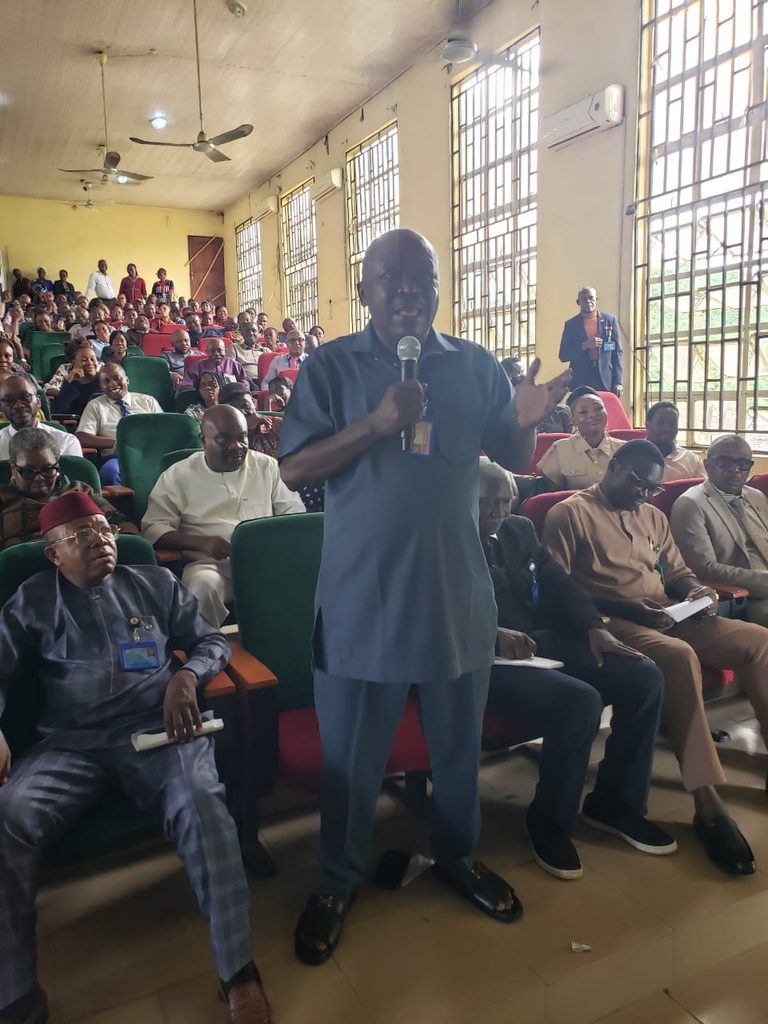
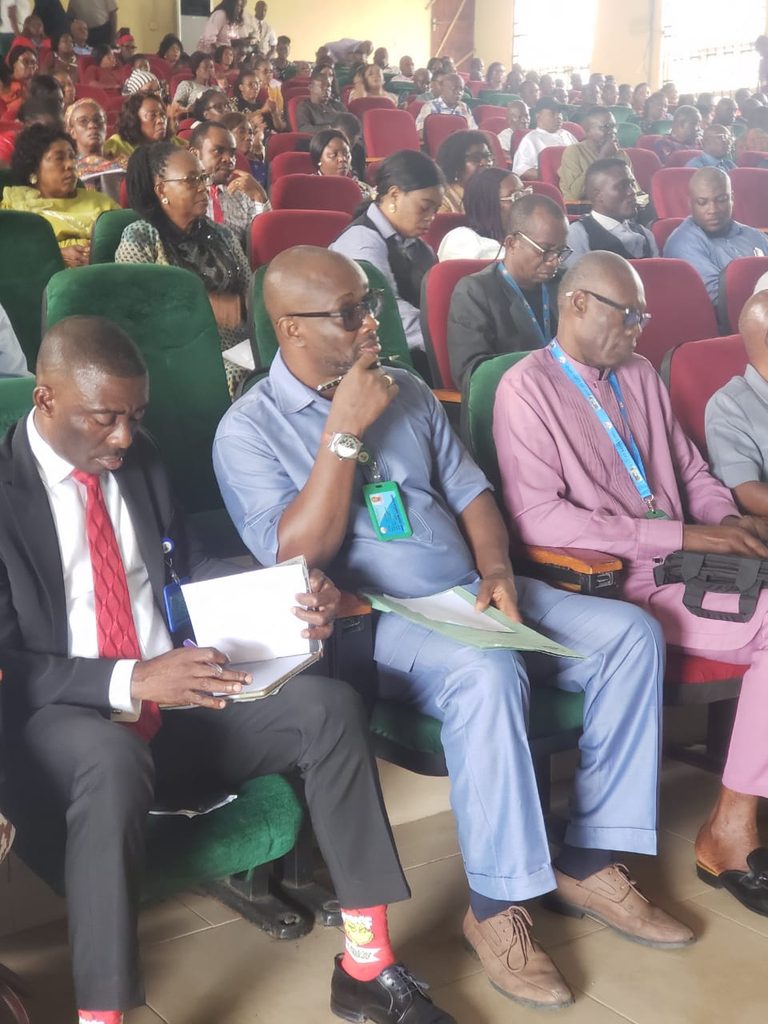
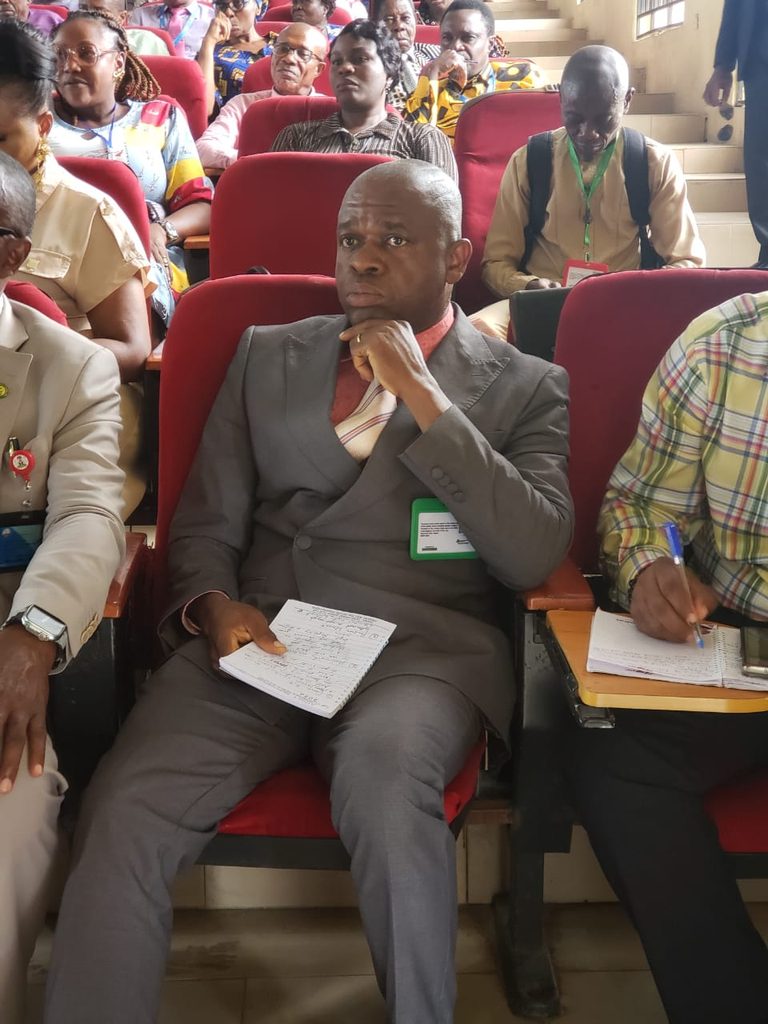
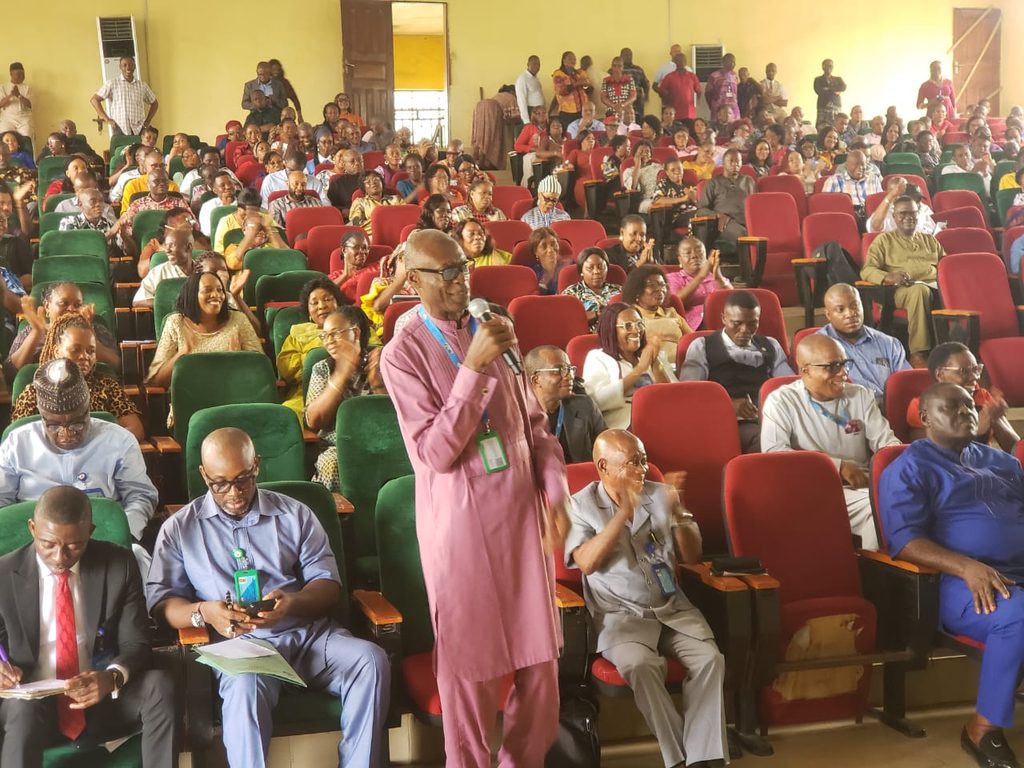
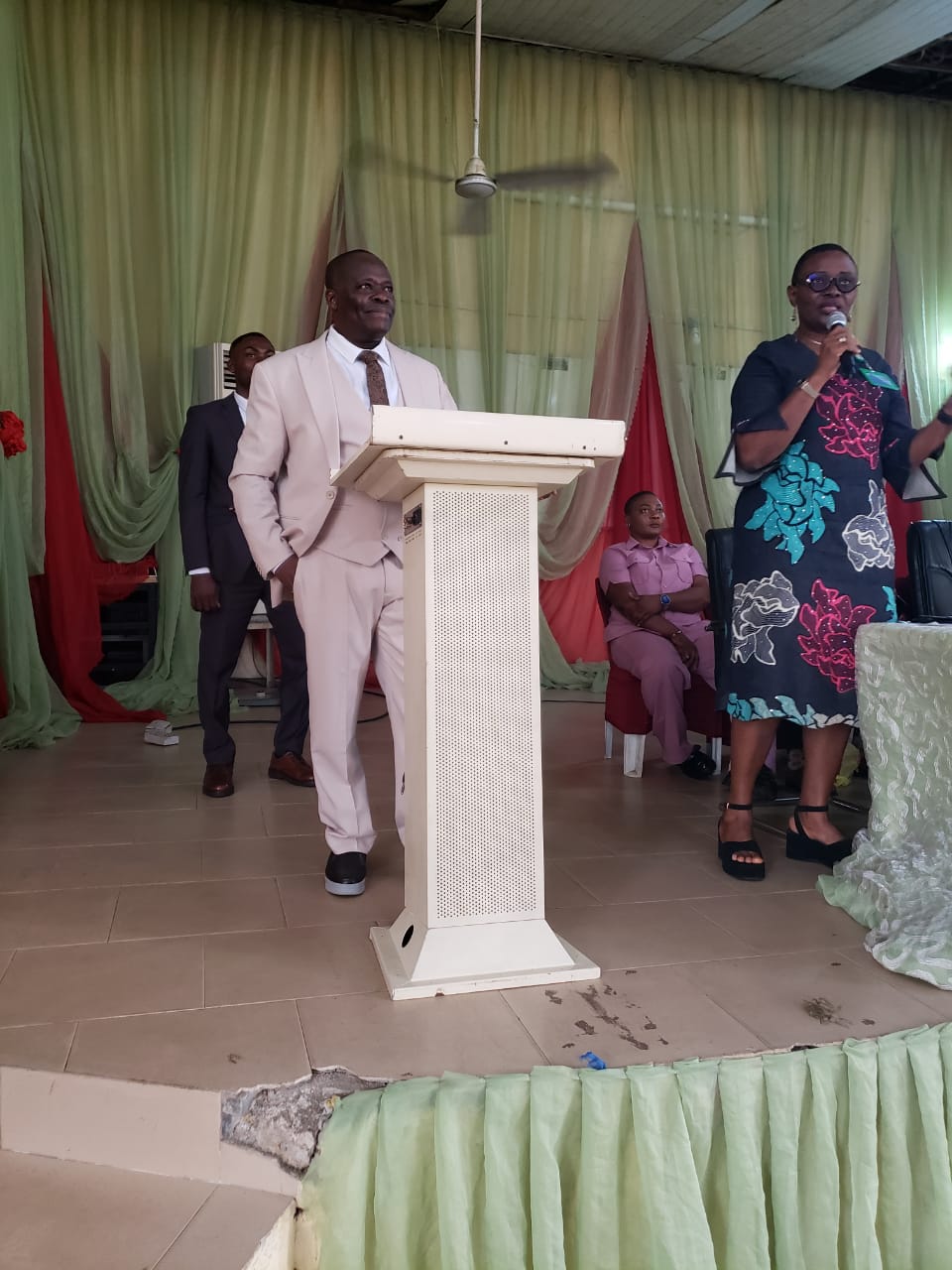
The Management of the University of Uyo has continued its town hall meetings across the University’s campuses, with the Annex Campus and the College of Medical Sciences taking their turn on Tuesday, September 8, 2026, as the Vice Chancellor, Professor Christopher Nyong Ekong, and members of the University Management engaged staff on the challenges confronting their various academic and administrative units.
The town hall meetings are part of the administration’s deliberate effort to engage directly with members of staff, identify institutional challenges and obtain first-hand information that would assist Management in developing appropriate and sustainable solutions.
In his opening remarks at both campuses, the Vice Chancellor explained that the town hall meetings were part of his administration’s deliberate strategy to understand the problems confronting the University holistically, collate the concerns and requests of staff, and determine appropriate responses. He added that the meetings were also intended to enable Management to have a clear understanding of the University’s present position and know where the institution was heading.
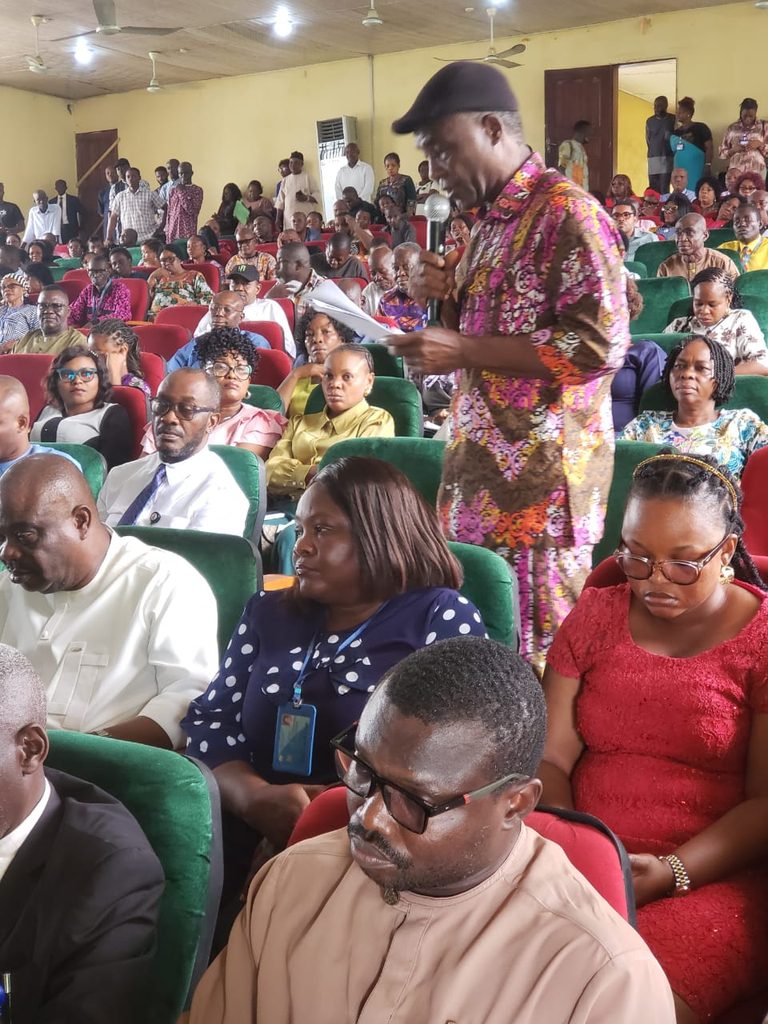
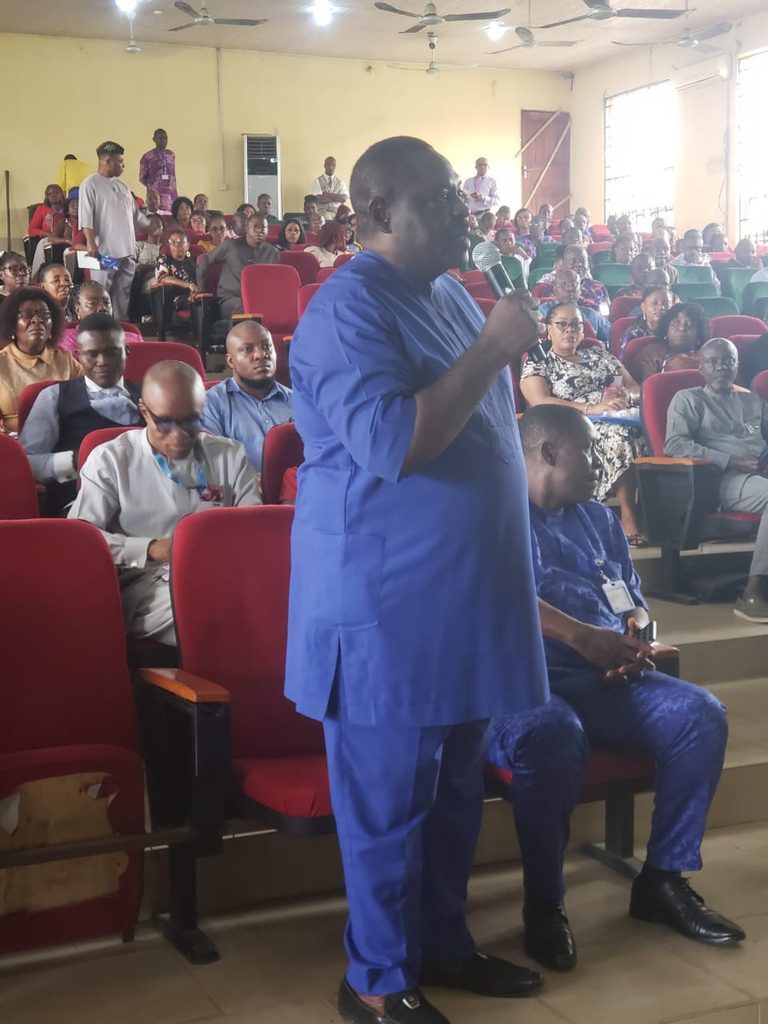
At the Annex Campus, the meeting featured an extensive question-and-answer session during which members of staff presented issues affecting their respective Faculties, Departments, Schools and units directly to the University Management.
Professor Achong Achong thanked the Vice Chancellor for initiating the town hall meetings, describing the engagement as an important avenue for Management to gain first-hand knowledge of the challenges confronting the University. He also marshalled out some of the major problems affecting the Faculty of Media and Communication Studies.
Similarly, Professor Nsikak Idiong of the Department of Journalism drew Management’s attention to the twin challenges of inadequate staffing and insufficient space confronting the Department and, by extension, the Faculty.
The School of Continuing Education also commended the Vice Chancellor for what it described as his remarkable achievements within a little above two months in office. In an expression that attracted applause, the School told the Vice Chancellor: “You’re man pass man.” The commendation reflected the appreciation of staff for the pace of initiatives and interventions undertaken by the new administration since assuming office.
At the College of Medical Sciences, the Provost of the College, Professor Dianabasi Eduuwem, alongside other professors and top management staff of the College, spoke extensively on issues affecting the smooth running of the College, Faculties and Departments.
Among the concerns raised were shortages of lecturers and non-academic staff, inadequate facilities, the need for more laboratories and the absence of adequate vehicles to convey students between the Main Campus and other locations where their academic activities take place. The College authorities requested the intervention of the Vice Chancellor in addressing the challenges.
While expressing appreciation for the interventions already made by the Vice Chancellor, particularly in the areas of the College’s building projects and equipment, the speakers noted that more remained to be done to adequately meet the needs of the College and ensure the smooth delivery of its academic programmes.
Responding to the submissions at the College of Medical Sciences, Professor Ekong disclosed that preparations had been made for the accreditation of courses in the University. He described the University’s College of Medical Sciences as the cheapest in the country, while also describing it as the best in terms of productivity and output.
The Vice Chancellor promised that building projects for the College of Medical Sciences would commence very soon. In the interim, he disclosed that the Barth Ebong Auditorium had been handed over to the College for use as lecture hall pending the completion of the College’s building.
He further promised that laboratories would be constructed and the existing hostels revamped. He also announced plans for the construction of a hostel specifically for final-year medical students, as part of efforts to improve the learning and living environment of students in the College.
Professor Ekong also announced that casual staff of the University would henceforth earn the minimum wage. He added that such workers would also stand a chance of being absorbed into the University system during future recruitment exercises.
Responding generally to the various submissions from staff at the Annex Campus and the College of Medical Sciences, the Vice Chancellor assured them that the University would do its best to address the problems raised and improve the working environment across its campuses.
Professor Ekong disclosed that a new result management system had been introduced to make the processing and uploading of students’ results more convenient and efficient. Under the new arrangement, lecturers would be able to upload results from wherever they were, eliminating some of the difficulties associated with the previous system.
He also said his administration would prioritise the provision of conducive working environments for academic staff by equipping and furnishing lecturers’ offices. He therefore advised lecturers who required office equipment and other materials to submit their requests officially to the Procurement Unit, noting that the University would soon embark on bulk procurement.
The Vice Chancellor further announced plans to provide free internet services across all campuses of the University, describing reliable digital connectivity as essential to contemporary teaching, learning, research and administration.
On infrastructure, Professor Ekong announced that his administration would construct a laboratory at the University’s Ime Umabah Campus, Abak. He explained that the University had, over the past six years, spent millions of naira transporting students to and from other locations to access laboratory facilities. According to him, establishing a laboratory at the campus would reduce the recurring expenditure while providing students with more convenient access to the facilities required for their practical training.
On recruitment, the Vice Chancellor stated that the process would be driven substantially by Departments and Faculties. According to him, Departments and Faculties would identify the personnel they require and forward their recommendations to the University for the necessary recruitment processes.
Professor Ekong also addressed the issue of alternative power supply, particularly in newly constructed buildings across the University. He directed the Directorate of Works to prepare and submit a quotation for the provision of alternative power sources in the buildings, stressing the importance of ensuring that infrastructure being provided by the University remains functional despite challenges with public electricity supply.
Speaking on the School of Continuing Education and other programmes that do not fall under the accreditation of the National Universities Commission, the Vice Chancellor stated that such programmes should be managed on a self-sustaining basis while paying an agreed percentage to the University. He, however, emphasised that the University would continue to exercise appropriate supervision over the programmes.
The Vice Chancellor also unveiled plans to transform the University’s approach to waste management by turning waste into wealth. He proposed the introduction of three categories of waste bins across the University’s campuses for the separate collection of plastics, paper and organic waste.
He directed the Committee responsible for the University’s environment to commence work towards implementing the initiative, which he said would promote environmental cleanliness while creating opportunities for the productive utilisation of waste.
On security, Professor Ekong disclosed that closed-circuit television cameras had been procured and that installation would soon begin across the University. He said the initiative was intended to strengthen security and surveillance within the University community.
The Vice Chancellor further revealed that a suspected thief had been apprehended and would be taken to court, adding that the entire Central Administration Unit is covered by CCTV cameras as part of measures to improve security and accountability.
On imprests, the Vice Chancellor clarified that Deans would apply for imprests on behalf of their respective Faculties and would subsequently be responsible for remitting funds to the appropriate officers and units under their supervision.
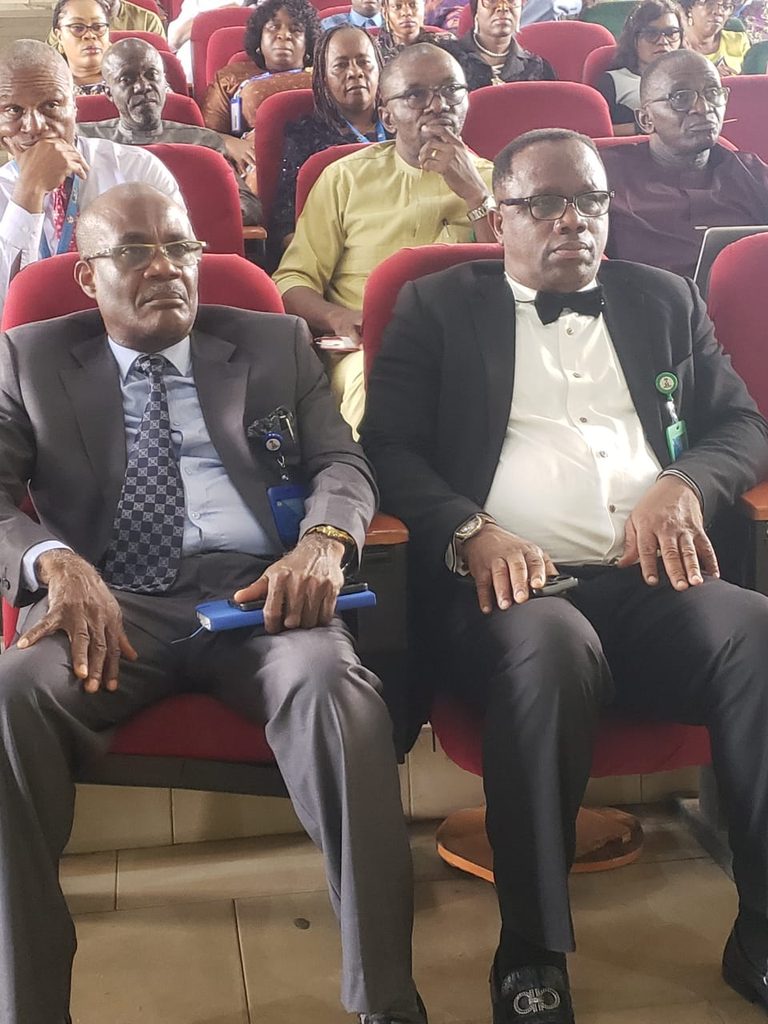
The Vice Chancellor was flanked by the two Deputy Vice Chancellors, Professors Enobong Ikpeme and Ini Uko; the Registrar, Mrs Blossom Okorie; and other top management staff of the University.
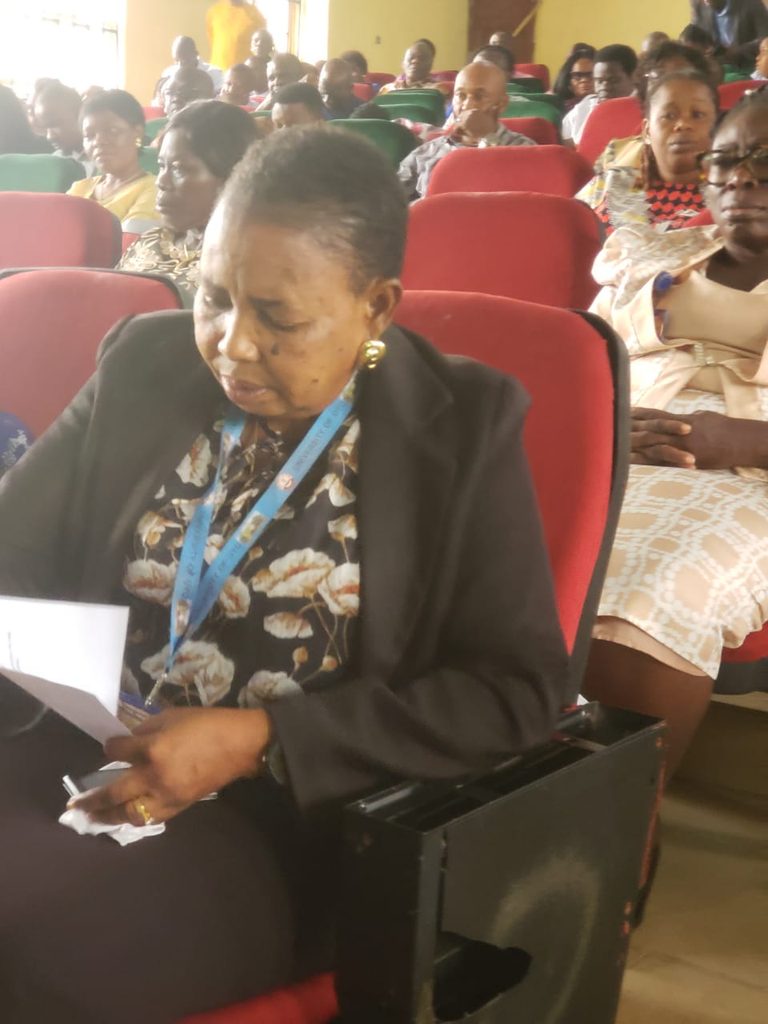
Professors and staff of the Annex Campus and College of Medical Sciences, including Professors Peter Esuh, John Udobang, Charles Obot and Achong Achong, among others, were in attendance. The Chief Medical Director, Professor Emem Bassey, was represented by Professor Udoinyang.
The town hall meetings provided another platform for direct interaction between University Management and staff, reinforcing the administration’s stated commitment to participatory governance, institutional problem-solving and improved service delivery.
The exercise is consistent with a commitment made by the Vice Chancellor, Professor Christopher Nyong Ekong, in his inaugural address, in which he promised to organise town hall meetings across the University as part of his effort to understand the institution’s challenges comprehensively, ascertain where the University stands and chart a clear direction for its future.
With the continuation of the town hall meetings, the Ekong administration is positioning direct engagement with staff not merely as a forum for identifying problems, but as an important component of its broader strategy for institutional renewal, accountability and transformation at the University of Uyo.