
Iran President Says Time to End War While in ‘Position of Strength’
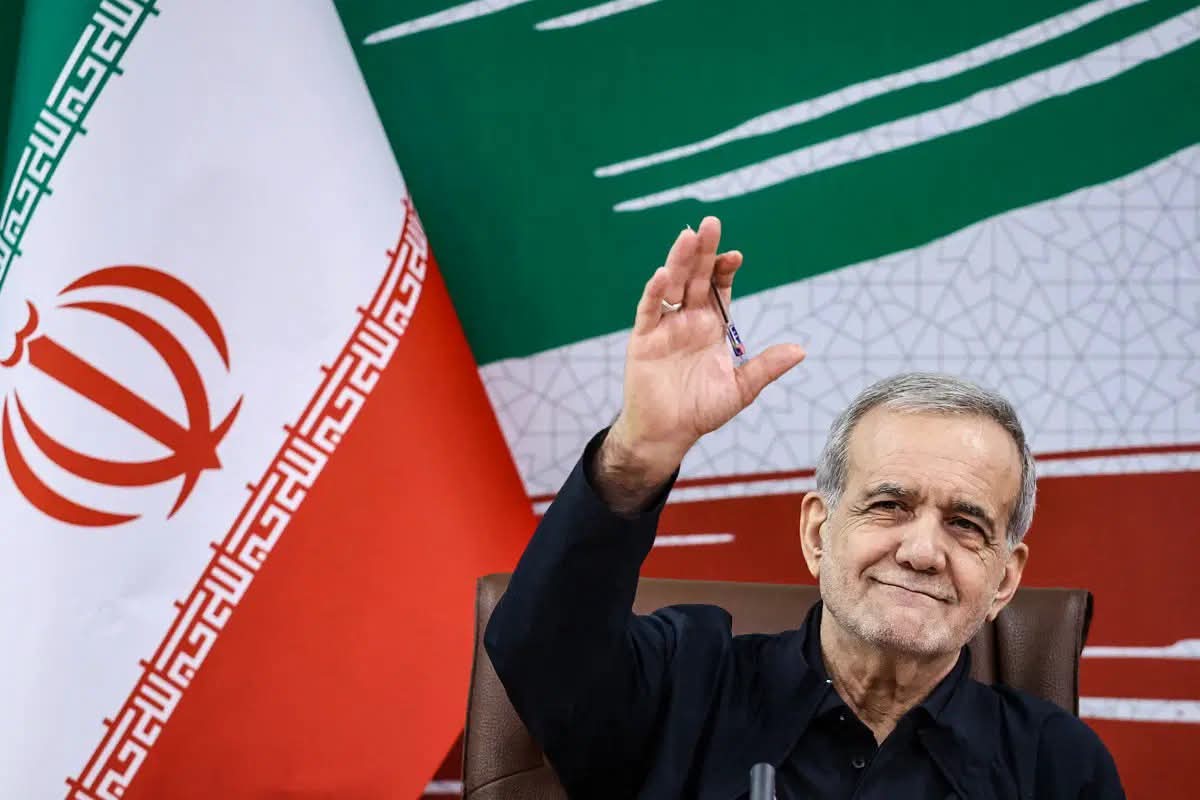

Iranian President Masoud Pezeshkian has called for an end to the months-long conflict with the United States, saying Tehran should seek to conclude the war while it remains in what he described as a position of “power and dignity.”
Pezeshkian made the remarks on Friday during a meeting with members of Iran’s medical community in Tehran, as tensions between Washington and Tehran remain high and efforts to reach a diplomatic settlement appear stalled.
The Iranian president’s comments come against the background of an increasingly difficult economic and security situation, with the United States preparing additional sanctions against Iran and the conflict continuing to affect shipping through the strategically important Strait of Hormuz.
Pezeshkian Calls for End to Conflict
According to reports, Pezeshkian argued that ending the war now would allow Iran to do so from a position that he believes demonstrates strength rather than weakness.
He said Iran should pursue an end to the conflict while maintaining what he described as its dignity and political standing.
The president also claimed that Iran’s position in the conflict had strengthened and that international opinion had recognised what he characterised as an Iranian victory.
His comments were presented as an argument for pursuing diplomacy without interpreting negotiations as a surrender.
Talks Remain Difficult
The call comes as diplomatic efforts between Iran and the United States remain uncertain.
According to reports, the two sides had reached a memorandum of understanding in June intended to help end the conflict, but the arrangement did not produce a lasting resolution.
Pezeshkian defended the agreement, arguing that it did not require Iran to capitulate and that Tehran should continue to pursue a diplomatic solution.
The president nevertheless warned that Iran would not accept intimidation or surrender if military attacks resumed.
This combination of calls for negotiations and warnings against further attacks reflects the difficult position facing Iran’s leadership as it weighs military resistance against the economic consequences of a prolonged conflict.
US Threatens Tougher Sanctions
Pezeshkian’s remarks came shortly after the United States announced plans for another major round of economic pressure on Iran.
US Treasury Secretary Scott Bessent said Washington was preparing what it described as some of the toughest financial measures yet against Tehran.
The US administration has said its objective is to increase pressure on the Iranian leadership and restrict the country’s access to international financial and economic networks.
Iran, however, has rejected the sanctions and accused Washington of using economic pressure against the country. Iranian officials have warned that additional measures could provoke a strong response.
Economic Pressure Mounts
The prolonged conflict has placed additional pressure on Iran’s already strained economy.
Iranian officials have acknowledged the importance of maintaining economic activity and ensuring that households have access to essential goods and services.
Parliamentary Speaker Mohammad Bagher Ghalibaf has also warned that military strength alone cannot guarantee national stability if economic difficulties become too severe.
The economic dimension of the conflict is therefore becoming increasingly important as Tehran considers whether continued confrontation or renewed diplomacy would better serve its interests.
Strait of Hormuz Remains a Major Concern
Another major issue is the Strait of Hormuz, one of the world’s most important energy shipping routes.
The conflict has significantly disrupted maritime traffic through the waterway, raising concerns about international energy supplies and increasing pressure on countries dependent on oil and gas shipments through the region.
Reuters reported that oil flows through the area have fallen sharply compared with levels before the conflict, while efforts are being discussed internationally to support freedom of navigation.
Any agreement that reduces tensions between Iran and the United States could therefore have consequences beyond the two countries, particularly for global energy markets and international shipping.
Iran Faces Internal Debate
Pezeshkian’s call for an end to the war also comes amid different positions within Iran’s leadership.
While the president has highlighted the need for diplomacy and economic stability, military officials have continued to warn that Iran would respond forcefully to further threats.
Iranian military chief of staff Major General Ali Abdollahi recently warned that the country’s armed forces were prepared to respond to what Tehran considers new threats.
The contrasting messages illustrate the difficult balance Iranian authorities are attempting to maintain: demonstrating military readiness while also seeking an avenue for ending a conflict that is placing significant pressure on the country’s economy.
What Happens Next?
Pezeshkian’s statement does not amount to a formal ceasefire agreement, and there is no indication that a comprehensive peace arrangement has been reached.
For negotiations to progress, both Tehran and Washington would need to overcome significant disagreements over sanctions, security guarantees, military activities and the future of the region.
The United States has continued to demand major changes from Iran, while Tehran has rejected what it considers unacceptable pressure.
For now, Pezeshkian appears to be signalling that Iran is open to ending the conflict, but wants any settlement to be presented domestically as a negotiated outcome achieved from a position of strength rather than a concession under pressure.
The coming days could therefore prove important as Washington prepares additional sanctions and Iran weighs the economic and strategic consequences of continuing the confrontation.
For millions of people affected by the conflict and its wider economic consequences, the key question is whether Pezeshkian’s call can translate into renewed diplomacy and eventually a durable end to the hostilities.
This report is based on statements attributed to Iranian President Masoud Pezeshkian and reports from international news agencies. The claims made by the parties to the conflict, including assertions about military or political advantage, are presented as their respective positions and are not independently verified.